
The Evolution and Modern Scale of the Optical Industry
The optical sector plays a vital role in linking modern healthcare, specialized manufacturing, digital technology, and everyday lifestyle design. Over several centuries, continuous breakthroughs in lens manufacturing have transformed how society addresses vision correction and optical health.
With modern technical tools advancing rapidly, studying the core dynamics of this global market is essential for understanding its widespread societal impact. Examining these historical roots and current operational shifts highlights how precision optical developments enrich daily productivity and global health infrastructure.
Chronicling Historical Optical Milestones
The study of light refraction and vision correction traces back to ancient philosophical inquiries into how the human eye processes light. Early scientific concepts laid the necessary foundation for understanding focal points, magnifying properties, and structural reflection.
The assembly of the first wearable spectacles occurred during the thirteenth century, representing a massive technological leap for human productivity. This primitive eyewear provided immediate relief to individuals who had previously suffered from uncorrected vision conditions, marking the official beginning of structural optics.
Refine the Quality of Corrective Lenses
The manufacturing of specialized corrective lenses grew significantly during the Renaissance as literacy rates expanded and demand for precise reading aids increased. Early master craftsmen developed sophisticated glass-grinding methods to improve the clarity and consistency of pre-calculated lens curves.
This period shifted optics from a basic curiosity into an essential component of community healthcare. Standardizing these lens shapes allowed scholars, artisans, and tradespeople to prolong their working lifespans, altering the economic layout of early society.
Cataloging Scientific Technology Breakthroughs
The optical field has experienced numerous engineering milestones that expanded human observation far beyond normal biological limits. The development of advanced telescopes and microscopes during the sixteenth and seventeenth centuries opened new frontiers in astronomy and microbiology.
Moving into the twentieth century, the introduction of lightweight contact lenses provided a discreet alternative to traditional glasses. Modern enhancements—including anti-reflective coatings, computerized lens surfaces, and precision laser adjustments—continue to expand optical applications across medical research, commercial photography, and digital communication networks.
Standardizing Modern Dispensing Practices
As the optical marketplace matured, the industry established structured training standards for eye care practitioners and dispensing opticians. Regulating these professional fields helped standardize prescription measurements and improve overall patient care.
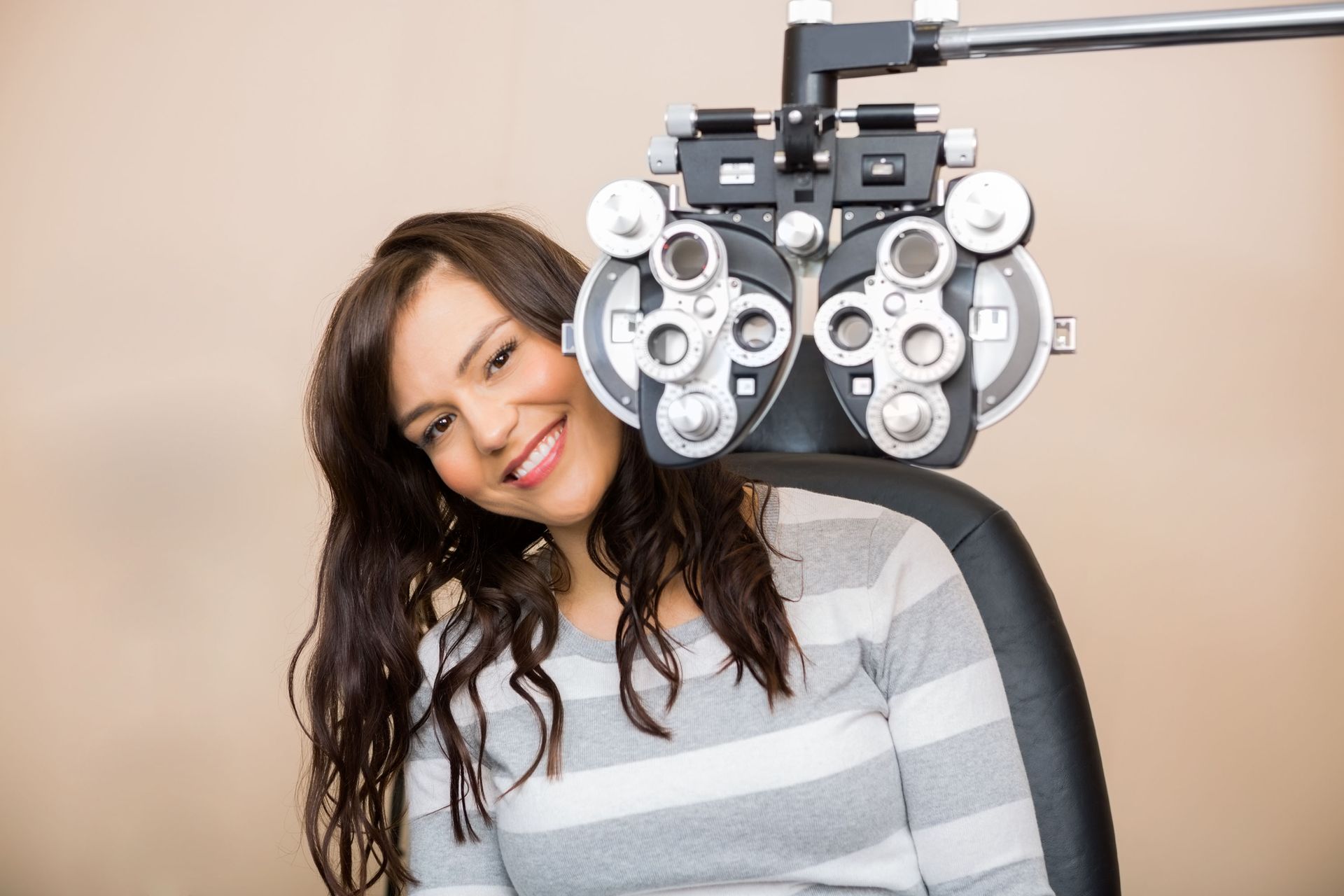
Modern optical practices utilize computerized diagnostic testing and customized structural fittings to address unique visual demands. This systematic approach ensures that contemporary services protect long-term ocular health while optimizing everyday visual clarity.
Honoring Historical Optical Visionaries
The structural foundation of the modern optics market relies on the pioneering work of early manufacturing innovators. Industrial leaders who established dedicated optical workshops during the nineteenth century introduced systematic quality controls to mass-produce optical glass.
Their historical dedication to precision research made affordable vision aids accessible to the general public. Today, these early organizations remain prominent foundations of the global market, guiding current manufacturing regulations and technical developments.
Analyzing the Modern Optical Landscape
Today, the global optical market maintains a massive economic footprint driven by expanding digital use, aging populations, and proactive vision care habits. The ongoing necessity for high-quality vision aids keeps manufacturing lines running consistently across every continent.
According to worldwide supply tracking from ZipDo, the international demand for customized corrective lenses is expected to reach 7.2 billion units, illustrating the massive scale of contemporary production. This high production volume underscores the critical role that optical dispensing plays in stabilizing global workplace efficiency and general community well-being.
Tracking Digital Innovations and Product Trends
Contemporary manufacturing teams focus on creating smarter, highly adaptive lens products to shield eyes from modern environmental strains. Developing specialized blue light filtering layers addresses consumer demand for protection against prolonged digital screen exposure within their glasses.
Additionally, current trends involve blending digital components into glasses frame designs, creating wearable electronics that overlay helpful metrics onto the user's field of view. This intersection of utility and technology keeps the optical field at the forefront of modern product development.
Mapping Global Supply Networks
The international distribution of optical goods relies on an intricate network connecting specialized chemical labs, frame designers, and local dispensing clinics. Different regions display distinct retail characteristics, ranging from high-fashion luxury frame dominance in European markets to high-volume, value-driven manufacturing hubs in Asia.
Boutique optical centers and online platforms work simultaneously to provide complete consumer access, balancing high-end custom styles with affordable everyday alternatives to serve diverse financial backgrounds.
Navigating Quality Regulations and Product Safety
The optical manufacturing sector operates under strict regulatory frameworks to ensure material safety, biocompatibility, and prescription accuracy. International oversight boards enforce strict manufacturing guidelines regarding impact resistance, chemical durability, and focal tolerances.
Because corrective lenses interact directly with human health and coordination, these strict production standards are indispensable tools for maintaining consistency across different laboratories and protecting consumers from poor-quality materials.
Examining Advanced Future Technologies
Lens manufacturing continues to experience excellent technical improvements that enhance the functionality of progressive and multifocal designs. Contemporary variable lenses feature smooth focal transitions that allow patients with complex prescriptions to view distant, intermediate, and near objects clearly without sudden image jumps.
Furthermore, the perfection of photochromic dyes allows lenses to darken instantly when exposed to outdoor solar rays, blending continuous UV shielding with everyday indoor utility.
Applying Protective Lens Surface Coatings
Applying specialized microscopic layers to finished lenses drastically improves their scratch resistance and visual performance. Anti-glare coatings eliminate distracting reflections from oncoming headlights and office lighting, reducing eye fatigue during night driving or extended computer work.
Hydrophobic and oleophobic chemical treatments prevent rain droplets and skin oils from smudging the lens surface, simplifying daily maintenance and keeping the eyewear clean in challenging environments.
Evolving Smart Glasses and Wearable Metrics
The development of smart eyewear represents an exciting frontier that blends classic vision correction with real-time digital notifications. Modern wearable frames utilize micro-displays, wireless audio links, and biometric sensors to assist users without disrupting their natural sightlines. As these lightweight designs continue to improve, smart glasses are becoming useful tools for industrial logistics, hands-on medical training, and daily personal communication.
Reviewing Shifting Consumer Behaviors
The growth of digital e-commerce has fundamentally altered how patients browse, sample, and purchase modern eyewear. Digital fitting tools and home try-on kits allow customers to preview various frame shapes and color combinations from their personal computers.
While online platforms provide unmatched convenience and direct-to-consumer pricing, local optical boutiques remain essential for performing precise physical adjustments, checking pupillary distances, and ensuring complex progressive lenses align correctly with the wearer's pupils.
Prioritizing Personalization and Custom Fits
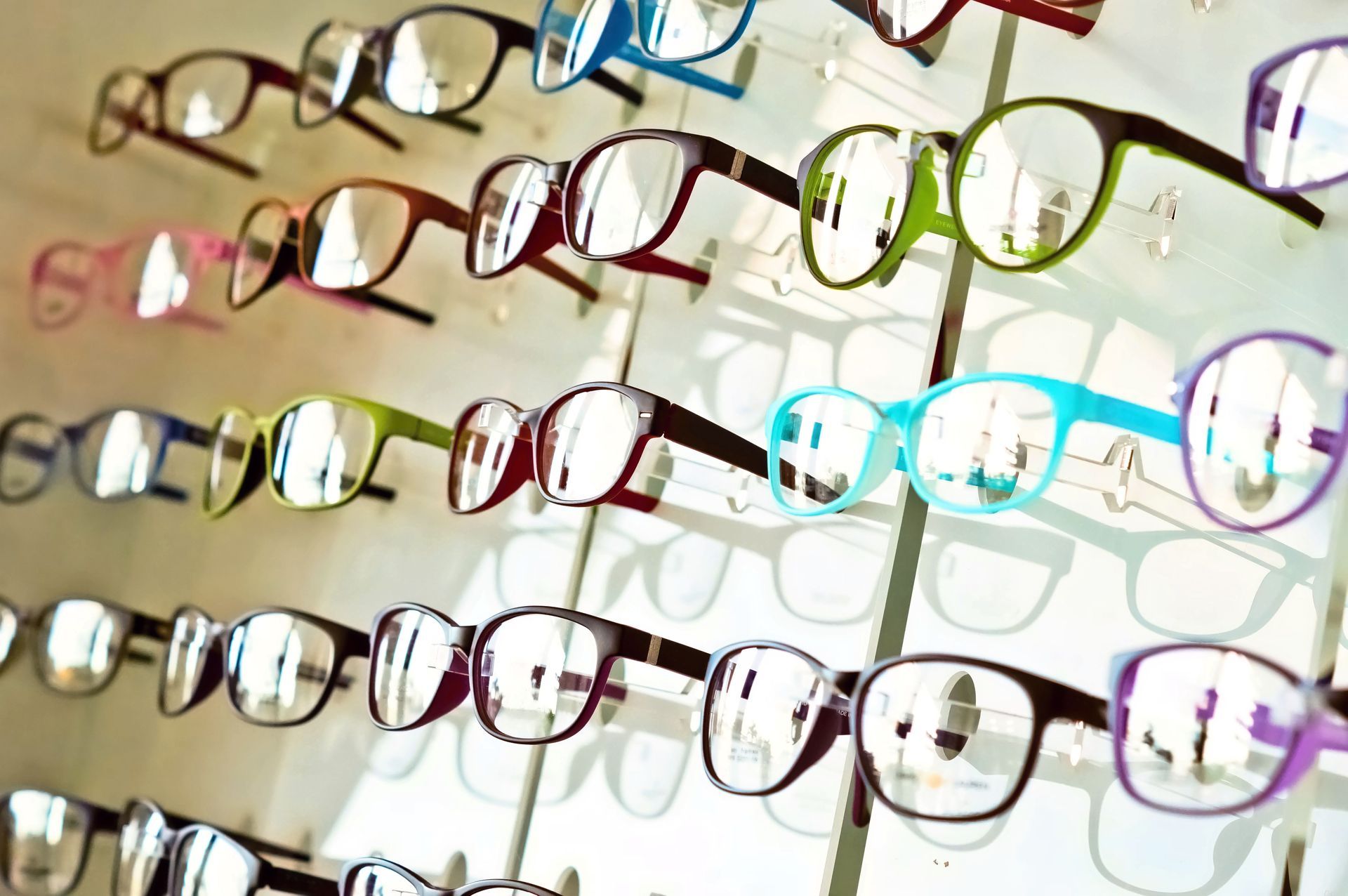
Modern consumers actively reject standardized, one-size-fits-all eyewear products in favor of personalized structural designs. Utilizing 3D scanning technology allows technicians to map a patron's facial structure, creating custom-molded nose bridges and customized temple lengths that prevent slipping or pinching.
This focus on precise physical customization ensures that heavy or complex prescriptions stay perfectly centered, maximizing visual clarity and long-term wearing comfort.
Investing in high-quality glasses and eyewear and scheduling routine visual checks is the most reliable way to preserve your long-term occupational productivity and ocular health. Avoiding unverified online copycats and generic over-the-counter reading aids prevents unnecessary eye strain, headaches, and distorted fields of view. Selecting precisely calculated prescription lenses and durable frame components protects your visual clarity, lowers your daily fatigue, and ensures your eyes stay shielded from modern digital strains.
When your lifestyle demands thorough visual testing, personalized glasses frame styling, or specialized progressive lens designs, choosing experienced local opticians guarantees excellent results. You can coordinate with Providence Opticians to analyze your current prescription needs and evaluate your frame configurations. Investing in professional, custom-tailored vision solutions stabilizes your everyday eye comfort, providing your family with a clear, dependable, and perfectly aligned optical baseline that supports your daily working habits and preserves your visual health for the future.








Share On: