
17 Tips for Buying Prescription Glasses Online or In-Store
Purchasing prescription glasses can feel daunting, whether you are buying them online or in-store. The right pair improves vision, enhances comfort, and complements your personal style. This guide provides practical tips to help you navigate the process of buying prescription glasses while ensuring clarity, comfort, and long-term eye health. According to the World Health Organization, at least 2.2 billion people around the world have a vision impairment, highlighting the importance of access to proper eyewear.
1. Understand Your Prescription
The first step in selecting prescription glasses is fully understanding your prescription. Whether provided by an optometrist or ophthalmologist, your prescription includes details about lens strength, astigmatism correction, and pupillary distance. Knowing these values ensures that the glasses you purchase, whether online or in a physical store, will correct your vision accurately. Always review your prescription for accuracy and confirm its validity, as outdated prescriptions can result in discomfort or vision issues.
2. Consider Frame Style
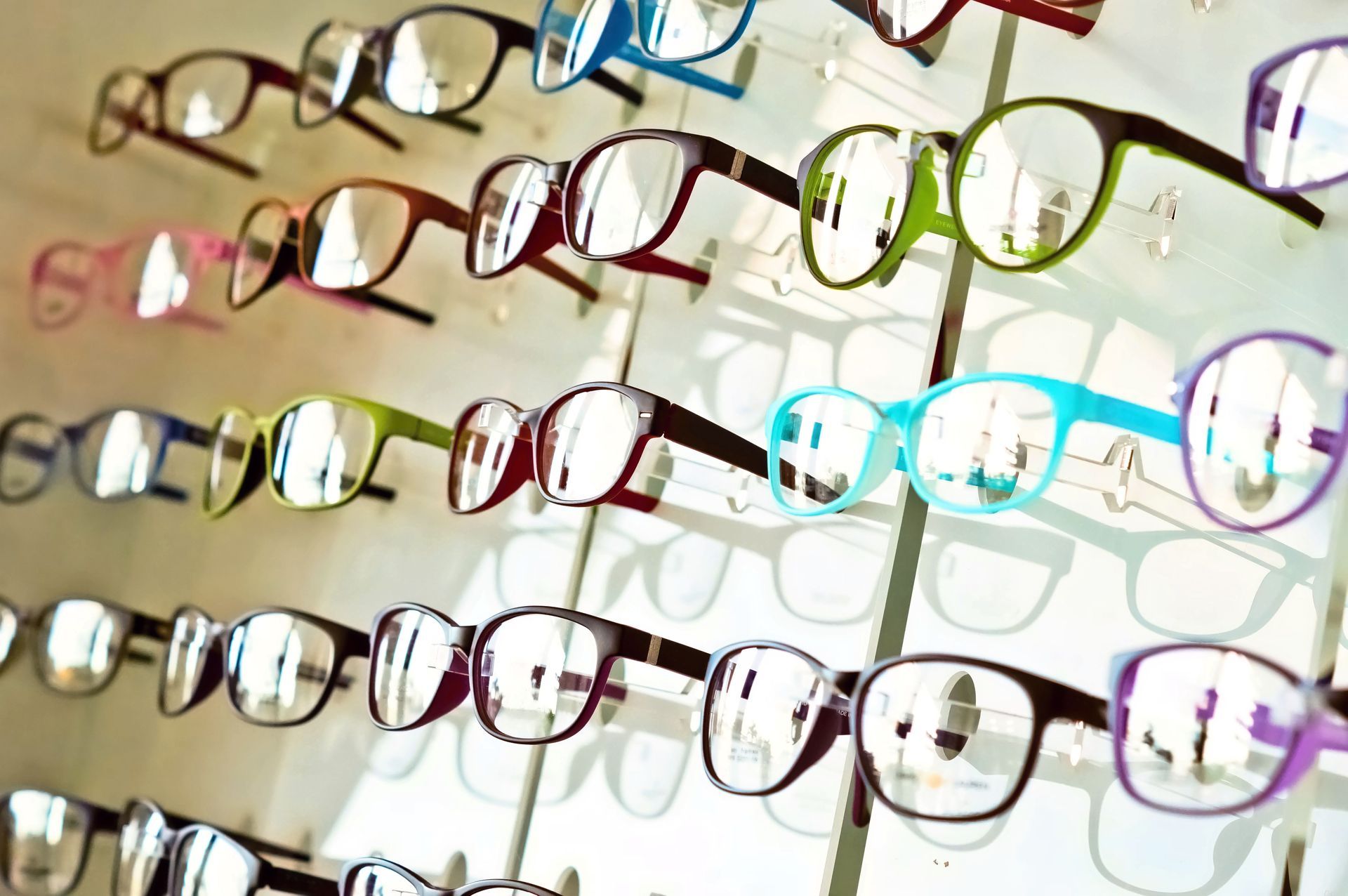
Frames are more than just a functional component; they reflect your personal style and influence comfort. Consider factors such as shape, color, material, and size. Different face shapes suit different frame styles—round faces benefit from angular frames, while square faces often pair well with rounded edges. Online retailers often provide virtual try-on tools to visualize frames, while in-store shopping allows you to physically try multiple styles. Selecting frames that match both your face shape and lifestyle enhances confidence and daily wearability.
3. Assess the Lens Options
Lens selection is a critical aspect of buying prescription glasses. Lenses come in various materials, thicknesses, and treatments, including anti-reflective coatings, blue light protection, and photochromic options. High-index lenses are thinner and lighter for strong prescriptions, while polycarbonate lenses offer durability and impact resistance. Understanding the different lens options and their benefits helps you choose lenses that provide optimal vision correction, comfort, and protection in line with your daily activities.
4. Measure Your Pupillary Distance
Pupillary distance (PD) is the distance between your pupils, which ensures that lenses are properly centered for clear vision. Incorrect PD can lead to eye strain and headaches, especially for stronger prescriptions. Many online retailers provide instructions or tools for measuring PD at home, while in-store purchases often include professional measurement. Accurately measuring PD is essential for achieving precise vision correction with your prescription glasses.
5. Consider the Frame Material
The material of your frame affects comfort, durability, and appearance. Common frame materials include metal, plastic, acetate, and titanium. Metal frames are lightweight and adjustable, while acetate frames offer bold colors and patterns. Titanium frames are strong and corrosion-resistant, making them ideal for long-term use. Selecting the right frame material ensures durability, comfort during prolonged wear, and suitability for your lifestyle and aesthetic preferences.
6. Evaluate Fit and Comfort
Even the most stylish frames can be uncomfortable if they do not fit properly. Consider the bridge width, temple length, and frame size relative to your face. Glasses that pinch the nose or slip frequently can cause discomfort and distract from daily activities. Online shopping may require careful measurements and virtual fitting tools, whereas in-store shopping allows for immediate adjustment. Prioritizing fit and comfort ensures that your prescription glasses are wearable throughout the day without discomfort or irritation.
7. Explore Online and In-Store Options
Choosing between buying prescription glasses online or in-store depends on personal preferences, convenience, and desired customization. Online shopping offers extensive selections, competitive pricing, and convenience but requires accurate measurements and reliance on virtual try-ons. In-store shopping provides immediate fitting, personal assistance, and the ability to see frame colors and materials in person. Evaluating the pros and cons of each option helps you select a purchasing method that meets your needs while ensuring accurate vision correction and satisfaction.
8. Confirm Lens Quality
High-quality lenses ensure clarity, durability, and visual comfort. Look for reputable manufacturers and retailers that guarantee lens precision, scratch resistance, and optical accuracy. Anti-reflective coatings, UV protection, and blue light filters can further enhance lens performance. Ensuring lens quality contributes to long-term satisfaction, prevents vision strain, and protects your eyes from harmful light exposure.
9. Consider Lifestyle Needs
Your daily activities should influence your choice of prescription glasses. Those who spend long hours on digital devices may benefit from blue light filtering lenses. Active individuals may prefer durable, impact-resistant lenses, while frequent outdoor users might consider photochromic lenses that adapt to sunlight. Aligning your prescription glasses with lifestyle requirements ensures practicality, comfort, and protection, enhancing long-term usability.
10. Assess Style and Personal Expression
Prescription glasses are a form of self-expression. Frame colors, shapes, and patterns can complement personal style and wardrobe choices. Selecting frames that reflect your personality increases confidence and satisfaction. Both online and in-store shopping offer a wide variety of fashionable options, allowing you to find glasses that combine vision correction with aesthetic appeal. Prioritizing style ensures that your prescription glasses are both functional and enjoyable to wear.
11. Consider Progressive and Multifocal Lenses
For individuals with presbyopia or multiple vision needs, progressive or multifocal lenses provide seamless transition between distance, intermediate, and near vision. Choosing these lenses requires careful measurement and fitting. Professional assistance, either in-store or through online consultation, ensures proper alignment and adaptation. Incorporating the right lens type for specific vision needs enhances clarity and reduces strain, improving long-term eye comfort and satisfaction with prescription glasses.
12. Review Insurance Coverage
Many vision insurance plans cover part of the cost of prescription glasses, including frames and lenses. Checking coverage can reduce out-of-pocket expenses and inform choices between higher-end and budget-friendly options. Whether purchasing online or in-store, understanding insurance benefits ensures you maximize available resources and make cost-effective decisions without compromising quality or fit.
13. Maintain Prescription Accuracy
Accurate prescriptions are critical for visual comfort and safety. Regular eye exams ensure that prescription glasses reflect current vision needs. Changes in eyesight over time may require updated lenses, even if frames remain suitable. Prioritizing prescription accuracy prevents eye strain, headaches, and other discomforts, ensuring that your glasses continue to provide optimal vision and long-term eye health.
14. Consider Lens Coatings and Treatments
Additional lens treatments enhance comfort, durability, and protection. Anti-reflective coatings reduce glare, scratch-resistant coatings extend lens life, and UV filters protect against harmful rays. Blue light filtering can help reduce eye strain from prolonged screen use. Professional guidance ensures that coatings and treatments are compatible with your lifestyle and vision needs, contributing to the long-term value and functionality of your prescription glasses.
15. Test and Adjust the Fit
After purchasing prescription glasses, proper testing and adjustment are essential. Frames may need minor tweaks to the nose bridge or temples to sit comfortably and provide proper alignment. In-store retailers provide immediate adjustment, while online purchases may require local opticians for fitting. Ensuring a precise fit prevents discomfort, enhances visual performance, and prolongs the lifespan of your glasses.
16. Plan for Future Needs
Considering long-term vision changes can guide choices in frames and lenses. Selecting frames that accommodate future lens replacements or opting for versatile styles ensures continued satisfaction. Staying informed about vision trends and potential eye health changes helps you plan purchases strategically, reducing the need for frequent replacements and maintaining consistency in comfort and appearance.
17. Set a Budget
Price is an important consideration when purchasing prescription glasses. Establishing a budget allows you to weigh options for frames, lenses, coatings, and treatments. Balancing cost with quality ensures that you obtain durable and comfortable glasses without overspending. Planning a budget in advance supports informed decisions and prevents compromises on essential features or eye health considerations.
Buying prescription glasses requires attention to detail, careful planning, and consideration of personal needs. By leveraging professional advice, whether through online consultations or in-store assistance, and paying attention to fit, quality, and maintenance, you can make informed choices that enhance both visual clarity and personal style. Contact Providence Opticians today to get started.





Share On: